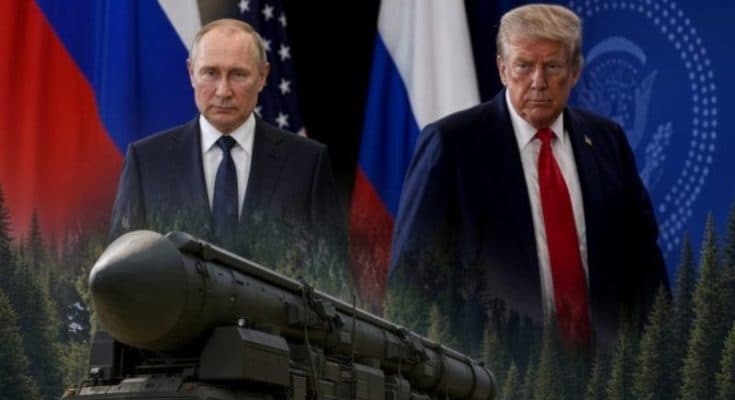
Thirteen nations have formed a new defense coalition to bolster collective deterrence amid rising global security tensions and fractured multilateral...
BRUSSELS – Diplomatic missions and defense ministries worldwide are closely scrutinizing reports detailing the emergence of a 13-nation defense coalition, an initiative that comes amid an increasingly fractured global security architecture defined by great-power competition, accelerated rearmament, and mounting regional friction. The reported alignment surfaces as long-standing multilateral frameworks face acute strain, prompting states to explore ad-hoc, minilateral defense pacts to shore up deterrence and hedge against systemic instability. Heightening the geopolitical stakes, unverified imagery circulating across digital networks and open-source intelligence channels reportedly depicts heavy mobile missile transporter-erector-launchers (TELs) staging alongside high-ranking diplomatic and defense delegations at an undisclosed multilateral security summit.
While sovereign foreign ministries have yet to issue unified declarations confirming the specific operational charter or the complete roll of signatories, the public projection of combined political authority and advanced strike capabilities has catalyzed intense debate across security circles. According to preliminary briefings from regional defense interlocutors, the 13-state framework is structured primarily around collective deterrence, early-warning integration, and joint operational readiness rather than an expeditionary offensive mandate. Proponents characterize the arrangement as a defensive safeguard designed to protect vital maritime corridors, deter regional revisionism, and streamline command interoperability among participating militaries.
Areas of collaboration reportedly encompass coordinated air and missile defense architecture, secure telecommunications interoperability, cross-border intelligence pooling, and joint logistics staging. Nevertheless, seasoned defense strategists caution that the codification of a 13-member security pact inevitably produces external geopolitical ripples. In a climate where traditional arms-control accords have largely deteriorated, the formation of mid-sized military coalitions can alter balance-of-power calculations for non-participating regional actors, potentially triggering security dilemmas where defensive posturing by one group is perceived as encirclement by another.